
Kalpetia Pigeon Breed Guide – Origin, Farming, Feeding.
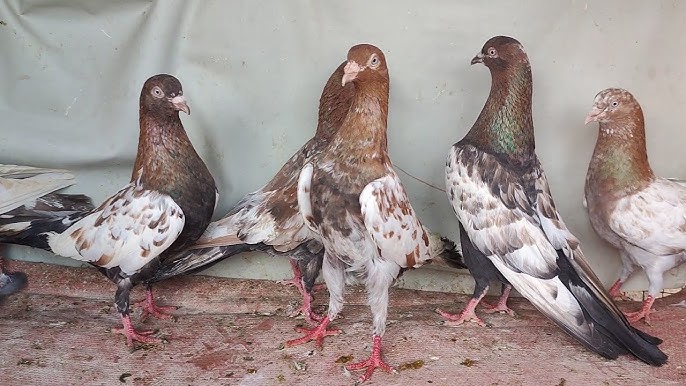
Learn about the Kalpetia pigeon breed, its origin, characteristics, breeding, feeding, and farming benefits. Complete Kalpetia pigeon farming guide for beginners in Bangladesh and South Asia.
Introduction to Kalpetia Pigeon
The Kalpetia pigeon is a well-known domestic pigeon breed commonly found in Bangladesh and parts of South Asia. Among pigeon enthusiasts and farmers, the Kalpetia pigeon is appreciated for its unique appearance, adaptability, and easy farming management.
In many rural and urban areas of Bangladesh, pigeon farming is becoming a popular small-scale livestock activity. Breeds like the Kalpetia pigeon are especially suitable for beginners because they are hardy and can survive well in local environmental conditions.
The Kalpetia pigeon is not only kept for farming purposes but also for hobby and ornamental reasons. Many pigeon lovers enjoy raising this breed due to its attractive feather patterns and calm temperament.
For new pigeon farmers, raising Kalpetia pigeons can be a profitable and enjoyable activity, especially when proper feeding, breeding, and management practices are followed.
30 Popular Pigeon Breeds List for Farming and Breeding
Origin of Kalpetia Pigeon
The Kalpetia pigeon breed is believed to have originated in South Asia, particularly in regions of India and Bangladesh. Over many generations, pigeon keepers selectively bred pigeons with desirable characteristics such as strong adaptability, attractive feather color, and good breeding performance.
The name “Kalpetia” is commonly used among pigeon hobbyists to describe pigeons that have distinct feather patterns and a stable body structure.
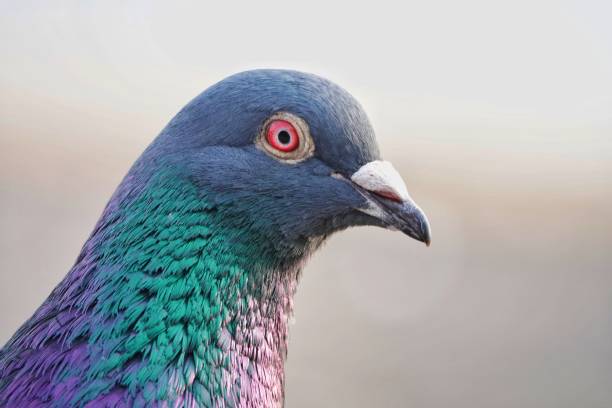
Like most domestic pigeon breeds, Kalpetia pigeons are believed to be descendants of the Rock Dove (Columba livia), which is considered the ancestor of all modern domestic pigeons.
Over time, Kalpetia pigeons adapted well to the climate of Bangladesh, making them suitable for pigeon farming in both rural and urban environments.
Rock Dove (ancestor of domestic pigeons)
Domestic pigeon information
Because of their adaptability, Kalpetia pigeons can thrive in the warm climate of Bangladesh and neighboring countries.
Physical Characteristics of Kalpetia Pigeon
The Kalpetia pigeon has a medium-sized and well-balanced body structure. Compared to some exotic pigeon breeds, this breed is relatively simple in appearance but still very attractive.
Typical physical features of Kalpetia pigeons include:
• Medium body size
• Strong wings
• Smooth feathers
• Bright and alert eyes
• Medium tail length
The average weight of a Kalpetia pigeon usually ranges between 250 and 350 grams.
Feather colors can vary depending on breeding lines. Some common color patterns include:
• White and black combination
• Grey mixed feathers
• Brown and white pattern
• Fully grey or black body
Because of their natural adaptability, Kalpetia pigeons are active, energetic, and good flyers.
Kalpetia Pigeon Breeding and Reproduction
The Kalpetia pigeon is considered a reliable breeder, which makes it suitable for pigeon farming.
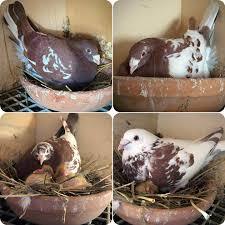
A healthy pair of Kalpetia pigeons can produce 8 to 12 baby pigeons (squabs) per year under good farming conditions.
Breeding process of Kalpetia pigeons:
• Each pair lays two eggs
• Incubation period lasts about 17–18 days
• Both male and female pigeons incubate the eggs
• Young pigeons leave the nest after 25–30 days
Kalpetia pigeons usually form strong pairs and show good parental care toward their chicks.
For successful breeding, pigeon farmers should ensure:
• clean nesting boxes
• sufficient feeding
• a calm environment
• proper loft hygiene
Good breeding management helps increase the pigeon population quickly and efficiently.
Feeding Requirements of Kalpetia Pigeon
The Kalpetia pigeon requires a balanced diet to maintain its health and productivity.
Their diet mainly consists of grains and seeds that are easily available in Bangladesh.
Common feed ingredients include:
• Wheat
• Corn
• Millet
• Broken rice
• Peas
• Lentils
Most pigeon farmers feed their pigeons twice daily, usually in the morning and evening.
Important feeding tips:
• Always provide clean drinking water
• Provide mineral grit for digestion
• Occasionally add green vegetables
• Avoid moldy or spoiled grains
A proper feeding routine helps improve the growth, health, and breeding performance of Kalpetia pigeons.

Farming Advantages of Kalpetia Pigeon
There are several reasons why the Kalpetia pigeon is a good choice for pigeon farming.
Easy maintenance
Kalpetia pigeons require less care compared to many exotic pigeon breeds.
Strong adaptability
They adapt well to the local climate of Bangladesh.
Good breeding performance
They reproduce regularly, helping farmers increase their pigeon population.
Low farming cost
Pigeon farming does not require large investments or expensive infrastructure.
Beginner friendly
Kalpetia pigeons are ideal for people who want to start pigeon farming for the first time.
Because of these advantages, Kalpetia pigeon farming can become a small, profitable livestock business for many farmers.
Care and Management of Kalpetia Pigeon
Proper care and management are essential for maintaining a healthy pigeon flock.
Housing
Provide a clean pigeon loft with proper ventilation and protection from rain and predators.
Cleaning
Clean the pigeon loft regularly to prevent diseases.
Health monitoring
Watch for signs of illness such as:
• weakness
• loss of appetite
• breathing problems
• abnormal droppings
Protection
Protect pigeons from predators such as cats, snakes, and hawks.
Providing clean water, nutritious food, and a hygienic environment will help keep Kalpetia pigeons healthy.
Kalpetia Pigeon Habitat and Environment
The habitat and environment of domestic pigeons play an important role in maintaining their health and productivity. Like many other domestic pigeon breeds in South Asia, this bird adapts very well to the warm climate of Bangladesh.
A well-designed pigeon loft provides safety, comfort, and proper airflow. The loft should be placed in a location where pigeons receive enough sunlight during the day but are also protected from excessive heat and rain.
Farmers often build pigeon houses on rooftops or elevated wooden lofts. This helps protect the birds from predators such as cats and snakes.
Good pigeon housing should include:
• proper ventilation
• dry flooring
• nesting boxes
• clean feeding areas
Maintaining a healthy environment helps reduce disease risk and improves breeding performance.
For beginners in pigeon farming, creating a simple but clean pigeon loft is one of the most important steps.
Kalpetia Pigeon Farming Tips for Beginners
Starting pigeon farming with local domestic breeds can be a great opportunity for small farmers. Many beginners prefer raising domestic pigeons because they require less investment and minimal management.
When starting a small pigeon farm, farmers should begin with 4 to 6 healthy pigeon pairs. This allows them to learn proper management before expanding their flock.
Important beginner tips include:
Choose healthy birds from trusted breeders. Healthy pigeons are active and have bright eyes and smooth feathers.
Maintain loft hygiene by cleaning droppings regularly. A clean environment prevents many common pigeon diseases.
Provide balanced nutrition using grains like wheat, corn, and millet. Adding mineral grit also helps improve digestion.
Monitor breeding pairs regularly. Good breeding management increases the number of squabs produced each year.
With proper care and patience, pigeon farming can grow into a profitable small livestock business.
Conclusion
The Kalpetia pigeon is a practical and adaptable pigeon breed that is well-suited for pigeon farming in Bangladesh and South Asia.
Its easy maintenance, reliable breeding ability, and adaptability make it an excellent choice for beginners and experienced pigeon farmers alike.
Whether someone wants to raise pigeons for a hobby, breeding, or small-scale farming, Kalpetia pigeons can provide a rewarding experience.
With proper feeding, care, and management, Kalpetia pigeon farming can grow into a sustainable and profitable activity.
Kalpetia Pigeon FAQs
Q1: What is a Kalpetia pigeon?
Q2: Is the Kalpetia pigeon good for farming?
Q3: How many babies does a Kalpetia pigeon produce yearly?